Best Bets in the Visual Arts for March 5 to March 11

Here are my Best Bets in the visual arts for this week.


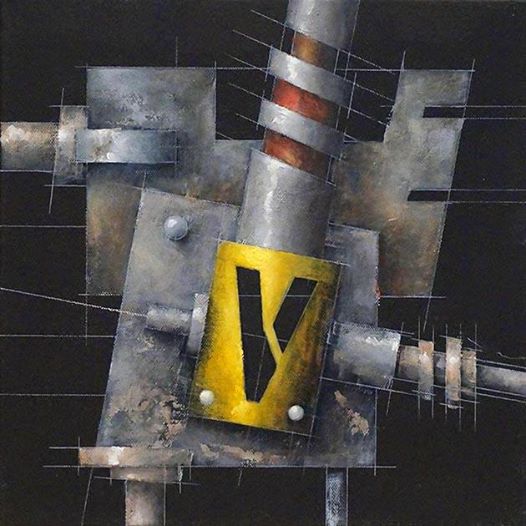
High Voltage, by Ken Berman.

High Voltage, by Ken Berman.

The new exhibition that just opened at the Graton Gallery, in downtown Graton, is their second annual juried Small Works 2014. The juror, artist Bob Nugent, selected approximately 80 pieces that were submitted by artists from throughout Northern California. Various media are represented, including painting, printmaking, and sculpture. A number of awards were given, with First Place going to Ken Berman for his painting High Voltage. The exhibition will be on view through March 30. For more information, check their website, gratongallery.com.

Next I want to mention that, two long-time West Sonoma County artists, Bill Wheeler and Pieter Myers, are showing their etchings, lithographs, photogravures, and drawings at the Canessa Gallery in San Francisco. The exhibition, Wheeler & Myers: Works on Paper, is part of the Southern Graphics Council International Conference. With their studios on adjoining properties in Occidental, Wheeler and Myers have shared artistic inspiration for over thirty years and are now showing their work together as part of this international event. The SGCI conference is being held in San Francisco this year, and numerous Bay Area venues and arts organizations are participating with events throughout the month of March. An Artist’s Reception for Wheeler and Myers will take place on Saturday March 8, from 3 to 7 p.m. at Canessa Gallery, located at 708 Montgomery Street and Columbus in San Francisco. The exhibition continues through March 30. For more information check the gallery website, canessa.org.

Pieter Myers & Bill Wheeler.

Pieter Myers & Bill Wheeler.

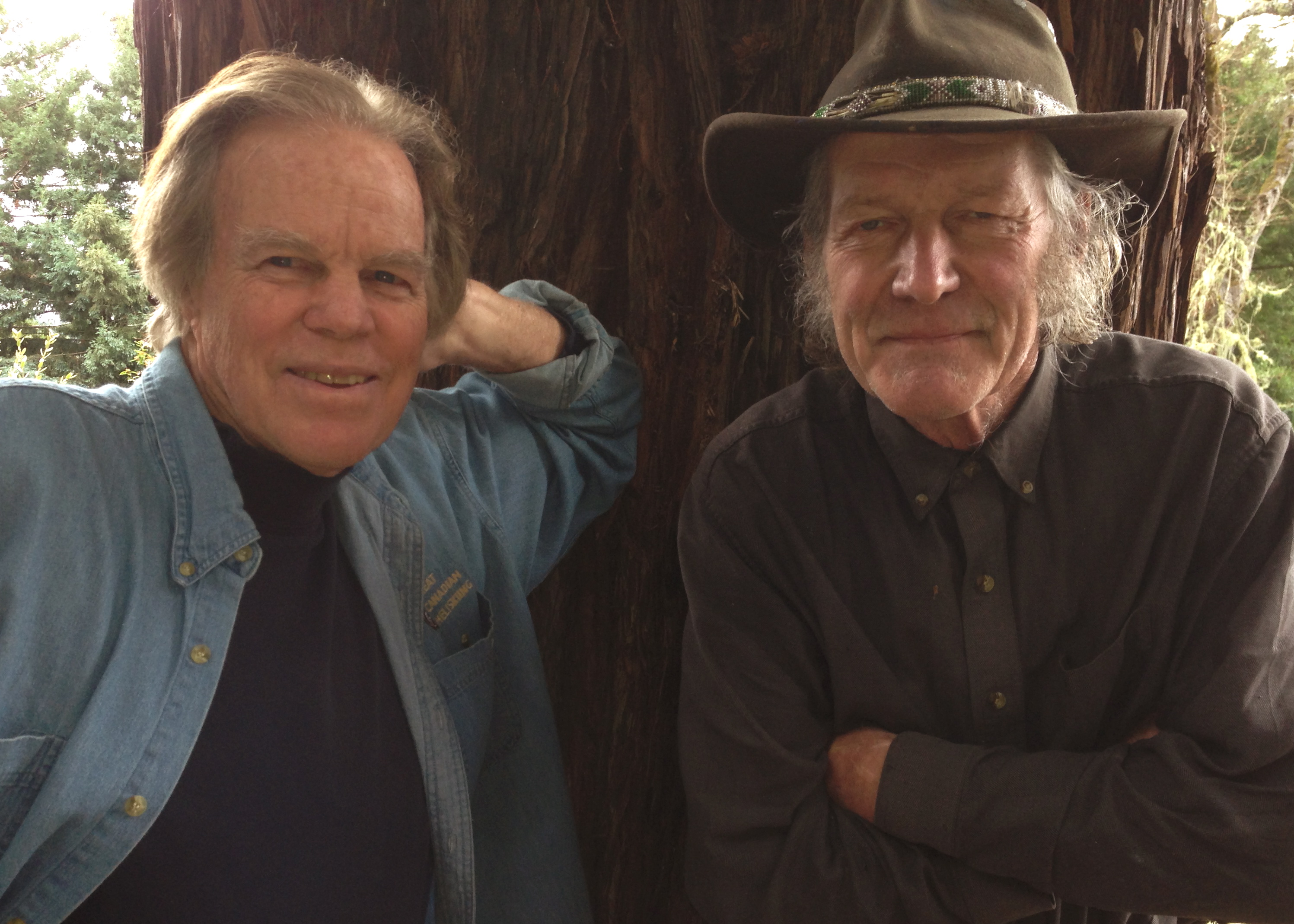
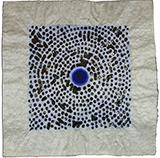
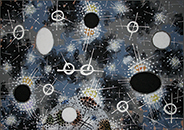
Then, the new exhibition opening at the Hammerfriar Gallery, in Healdsburg, features the work of Gordon Onslow Ford, John Anderson, and Robert Percy. This historically significant exhibition is co-sponsored by Calabi Gallery, which has very recently moved to Santa Rosa from its Petaluma location. Gordon Onslow Ford, who died in 2003 at the age of 91, was one of the last surviving members of the surrealist group associated with André Breton in Paris during the 1930s. In 1957 Onslow Ford moved to Inverness, on the Point Reyes Peninsula, where he eventually co-founded the Lucid Arts Foundation. Contemporary painters Robert Percy and John Anderson each worked as studio assistants for Onslow Ford. All three painters addressed themes of perceptual consciousness, dreams, and the spiritual impulse in their work. The exhibition opens with a reception on Saturday, March 8, from 6 to 9 p.m. and continues through May 4, 2014. A panel discussion with Dennis Calabi, B. Kalivac Carroll, and Robert Percy will take place at the Gallery on Sunday, April 20; from 3 to 5 p.m. Hammerfriar Gallery is located at 132 Mill Street, in Healdsburg. For more information, check their website, hammerfriar.com.

Baba's Pearl, by Robert Percy.

Baba’s Pearl, by Robert Percy.

Radiant Matter, by Gordon Onslow Ford.

Radiant Matter, by Gordon Onslow Ford.

Midnight Sun, by John Anderson.

Midnight Sun, by John Anderson.

Posted in Best Bets | Tagged , , , , | Leave a comment

Best Bets in the visual arts for the week of February 12 – February 18, 2014

Here are my Best Bets in the visual arts for the week of February 12 – February 18, 2014.
Poetry of PrintingThe current exhibition at RiskPress Gallery, in Sebastopol, is The Poetry of Printing featuring letterpress works by sixteen artists who are members of the Iota Press co-op. You can see beautiful examples of handmade artist’s books, poetry broadsides, and even printed fabric and pillows. Letterpress printing is a typesetting technique that employs movable type set into a printing press. Developed during the 15th century, letterpress printing is experiencing a renaissance with artists using both traditional as well as with innovative applications. To see how it’s done or perhaps try your hand at it, letterpress printing demonstrations take place every Friday afternoon. Then on Sunday, February 16, from 2 to 4 p.m. the group is presenting A Speak Easy–Sounds in Print. This will be a poetry reading by Iota Press co-op members and others, and will include a performance–a chorus of words, which promises to be a lively and fun event, especially for lovers of words! The exhibition continues through February 23. RiskPress Gallery is located at 7345 Healdsburg Ave., in Sebastopol. For more information, check their website, riskpress.com.


Bella Feldman

Bella Feldman

Then at the Hammerfriar Gallery in Healdsburg is Bella Feldman: Flasks of Fiction. This small but dynamic exhibition features glass and metal sculptures by the Oakland-based artist who was known in the 1970s as a pioneer of women sculptors. Now in her 80s, Feldman continues to create powerful yet elegant works that draw on her life experiences and personal perspectives. The works in this exhibition evoke a balance of tension that is felt between the hardened steel and fragile glass. Their bold yet simple forms make references to stories, memories and metaphors. Feldman was a professor of sculpture at California College of Arts for 36 years, and her work is in the collections of the de Young Museum, UC Berkeley Art Museum and the Oakland Museum. The work will be on view through March 1. Hammerfriar Gallery is located at 132 Mill Street, Suite 101, in Healdsburg. For more information, check their website hammerfriar.com.

Finally, you still have time to get over to the Petaluma Arts Center to see Form and Finish: Sculptures by Michael Cooper and John de Marchi. The exhibition features the work of two distinguished sculptors, Michael Cooper and John de Marchi, who maintained an enduring friendship until de Marchi’s passing in 2011. They shared a love for tools, quality finishes, superbly designed and crafted objects, as well as teaching what they loved. Cooper and de Marchi are both internationally acclaimed artists who have maintained studios in Sonoma County, California for many decades. On Sunday, March 2, 1:30 to 3:30 p.m., Michael Cooper will host a tour of his studio. Contact the Arts Center to reserve a place, $50 members; $65 general (includes a signed poster and refreshments). The exhibition continues through March 16. For more information go to petalumaartscenter.org.


Posted in Best Bets | Tagged , | 1 Comment

Form & Finish: Sculptures by Michael Cooper & John de Marchi

I’m pleased to share with you my newest curatorial project on display at the Petaluma Arts Center through March 16, 2014.

Form & Finish: Sculptures by Michael Cooper & John de Marchi features the work of two distinguished sculptors. Michael Cooper and John de Marchi maintained an enduring friendship until de Marchi’s passing in 2011. They shared a love for tools, quality finishes, superbly designed and crafted objects, as well as teaching what they loved. Cooper and de Marchi are both internationally acclaimed artists who have maintained studios in Sonoma County, California for many decades.

Cooper and de Marchi first met during the San Francisco Museum of Modern Art’s first Artists’ Soapbox Derby, which took place in May of 1975. The event was a fundraiser for the museum and involving over 100 artists and 75 hand-built race cars that were designed to coast downhill in San Francisco’s McLaren Park. A second version of the event was held in May of 1978. Michael Cooper and John de Marchi participated in both of these events, and while Cooper’s 1975 Soapbox Racer is in a private collection and not on view in this exhibition, de Marchi’s Sonoma Flyer 3, was actually driven by the artist during the 1978 event.

While each artist possesses his own distinct style and sensibility, both have created sculptures using machine shop equipment and mechanical engineering—combining machined components and industrial finishes to produce exquisitely designed sculptural pieces. Form and the arrangement of shapes is critical to both artists, however the way in which they handle form is quite different. In de Marchi’s work, symmetry and balance are essential, thus evoking a sense of taut Zen calm. On the other hand, Cooper’s work is about asymmetry and sensual forms, conveying a dynamic exuberance.

Aside from form and finish, content is also an important element in the work of these two artists. De Marchi approached to his work with the intention of creating metaphorical models exploring the philosophical nature of humanity. Cooper’s approach to content is much more direct, addressing edgy social and political issues such as environmental concerns, or our cultural attitudes toward guns.

Internationally known and legendary master artist, Michael Cooper, is an outstanding sculptor in wood, metal and other materials. Cooper’s work also exhibits brilliance in design and imagination. This exhibition highlights a selection of Cooper’s dazzling sculptures, each a phenomenally unique work of art. A collection of his work has recently been on tour with the Museum of Craft and Design, traveling across the nation, including Bellevue, Washington; Brockton, Massachusetts; and San Francisco, California. Michael Cooper lives and works in Sebastopol.

John de Marchi was a long-time Petaluma resident and artist who passed away in May 2011. De Marchi worked in the Art Department at Sonoma State University for over twenty-five years as a technician and teacher. His work expresses his love of tools, precision, and industrial materials such as metal, acrylic, and magnets. De Marchi has had solo exhibitions at the Museo Italo Americano, the Iannetti Lanzone Gallery in San Francisco, and the Oakland Museum of California.

To fill out the story, a sampling of de Marchi’s extensive tool collection is on display, representing tools that he made, modified, or collected. Also included in the exhibition is photography by Mike Chase. Known for his dynamic photographs of motorcycles and cars, Chase captures his subjects with technical skill and an artist’s eye. A number of Chase’s photographs were published in Michael Cooper: A Sculptural Odyssey, 1968-2011 for the Museum of Craft and Design. Mike Chase maintains a studio in Santa Rosa.

The exhibition continues at the Petaluma Arts Center though March 16, 2014.

Related Events:
Sunday, February 2, 2 to 4 p.m., Gallery Talk and Demonstration by Michael Cooper; $7 members; $10 general.

Wednesday February 5, 6:30 to 8:30 p.m., Panel Discussion: The Life and Work of John de Marchi hosted by curator Satri Pencak with Mike Cooper, Michael McGinnis, Deborah Colotti and others; $7 members; $10 general.

Sunday, March 2, 1:30 to 3:30 p.m., Michael Cooper will host a tour of his studio for a select group of art lovers. Contact the Arts Center to reserve a place. $50 members; $65 general (includes a signed poster and refreshments).

Petaluma Arts Center is located at 230 Lakeville Street, Petaluma, CA. For more information call 707-762-5600, or go to www.petalumaartscenter.org.

Watch the promo video:

Installation slideshow:

This slideshow requires JavaScript.

Photos by Satri Pencak.

Posted in Art Reviews | Tagged , , , | 2 Comments

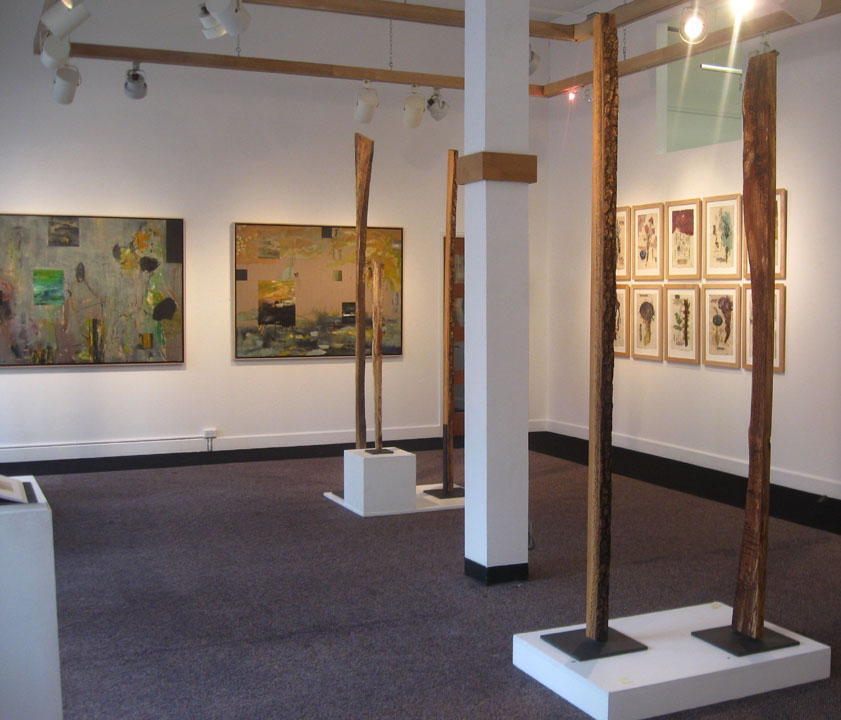
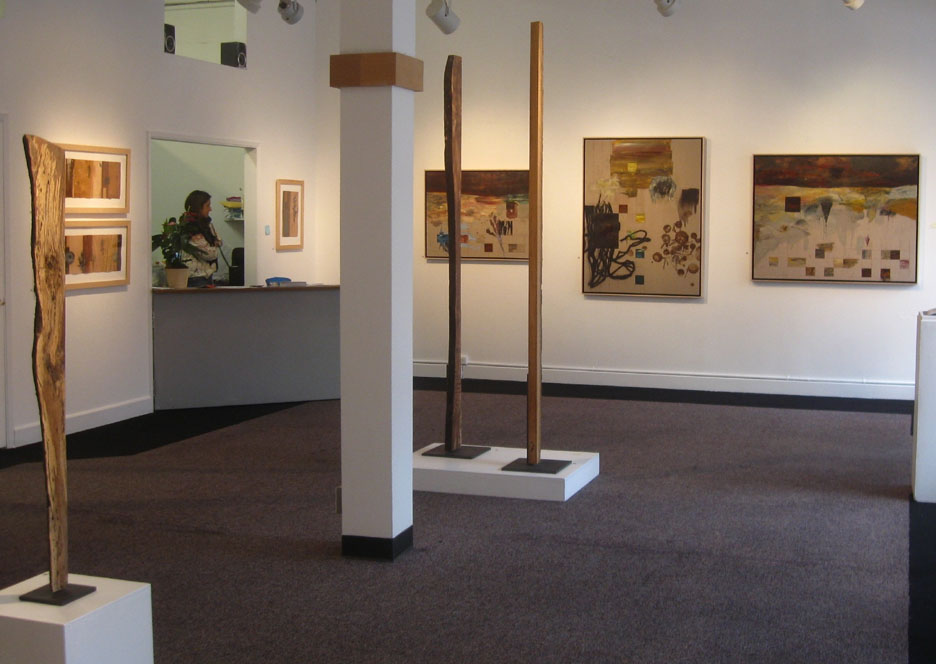
Bob Nugent: Dialogues with Nature @ Art Works Downtown

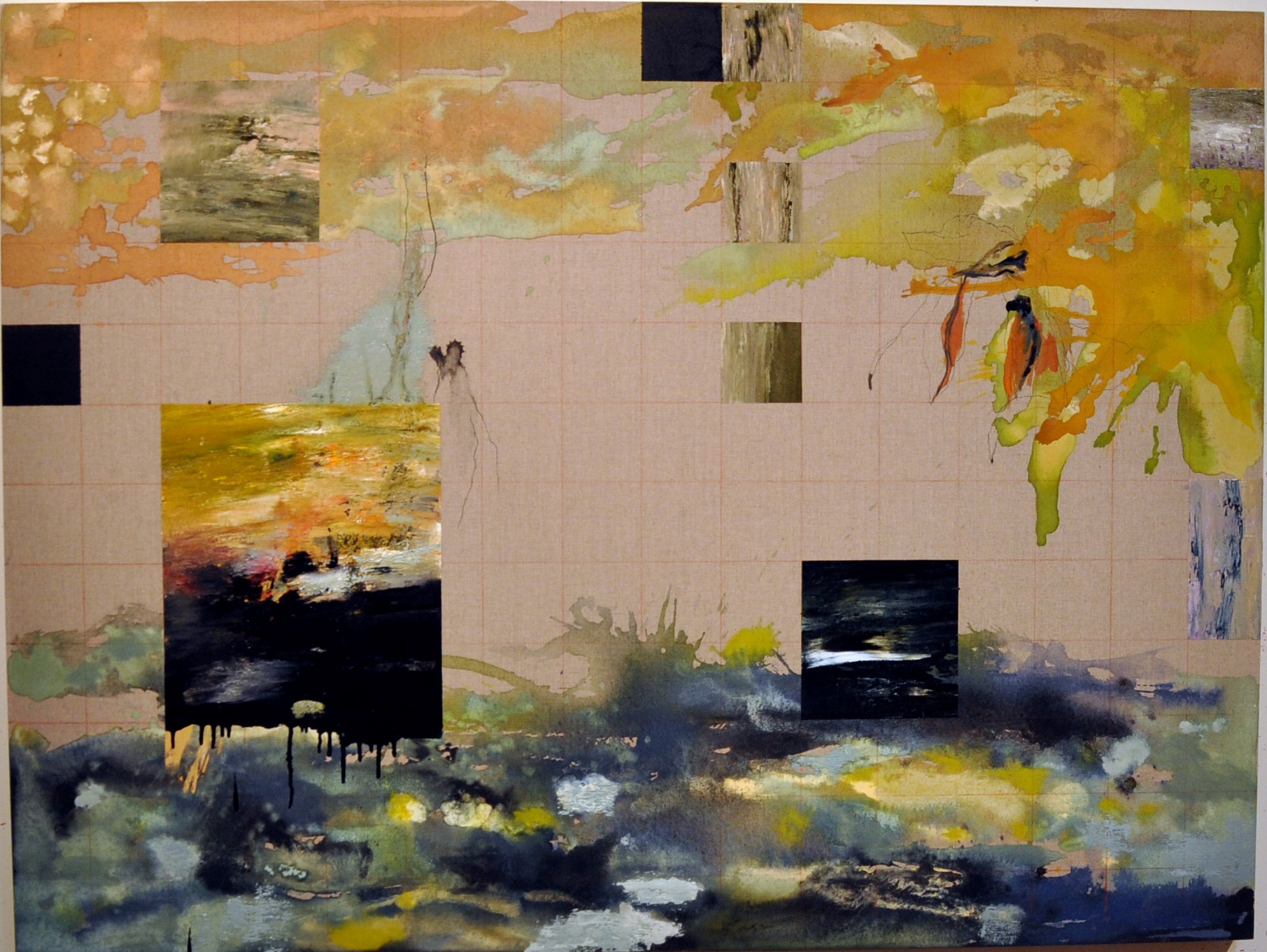
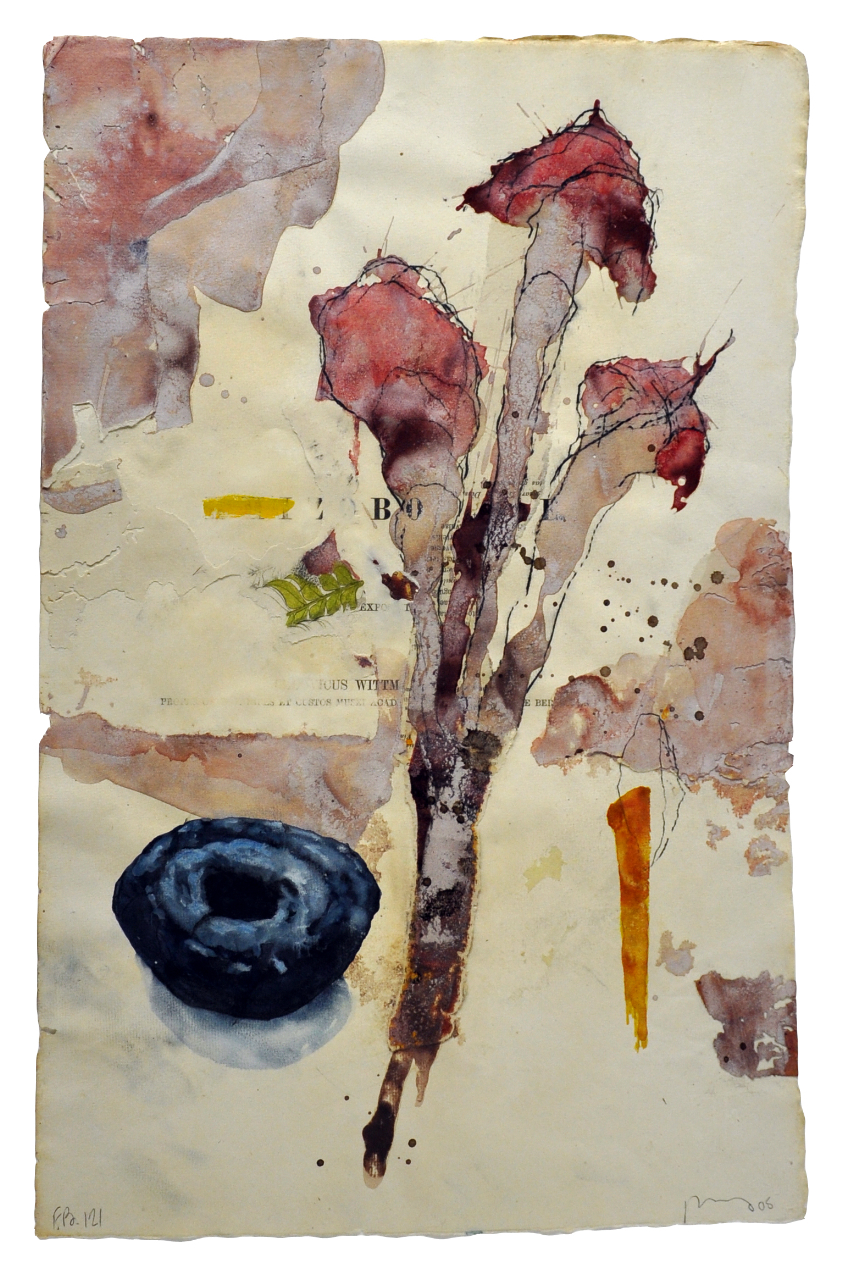
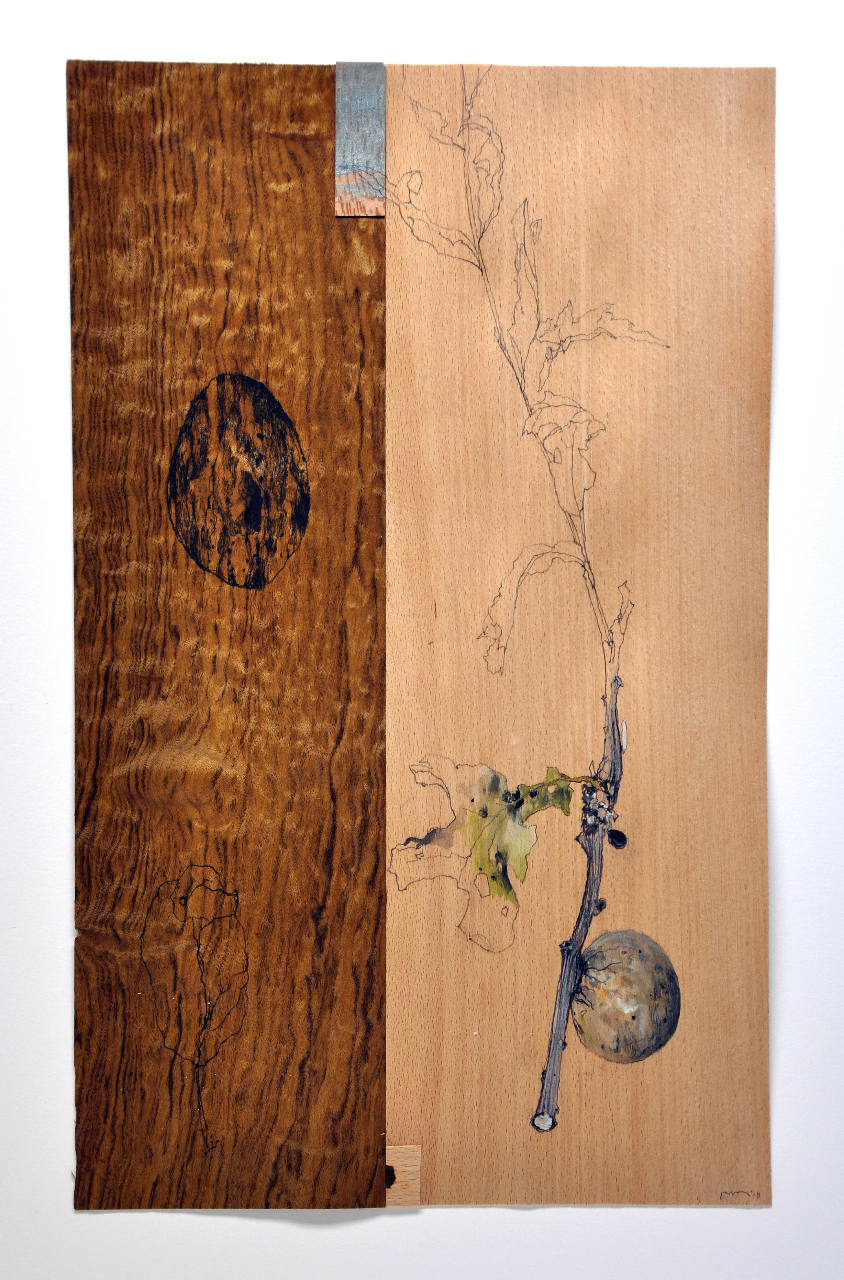
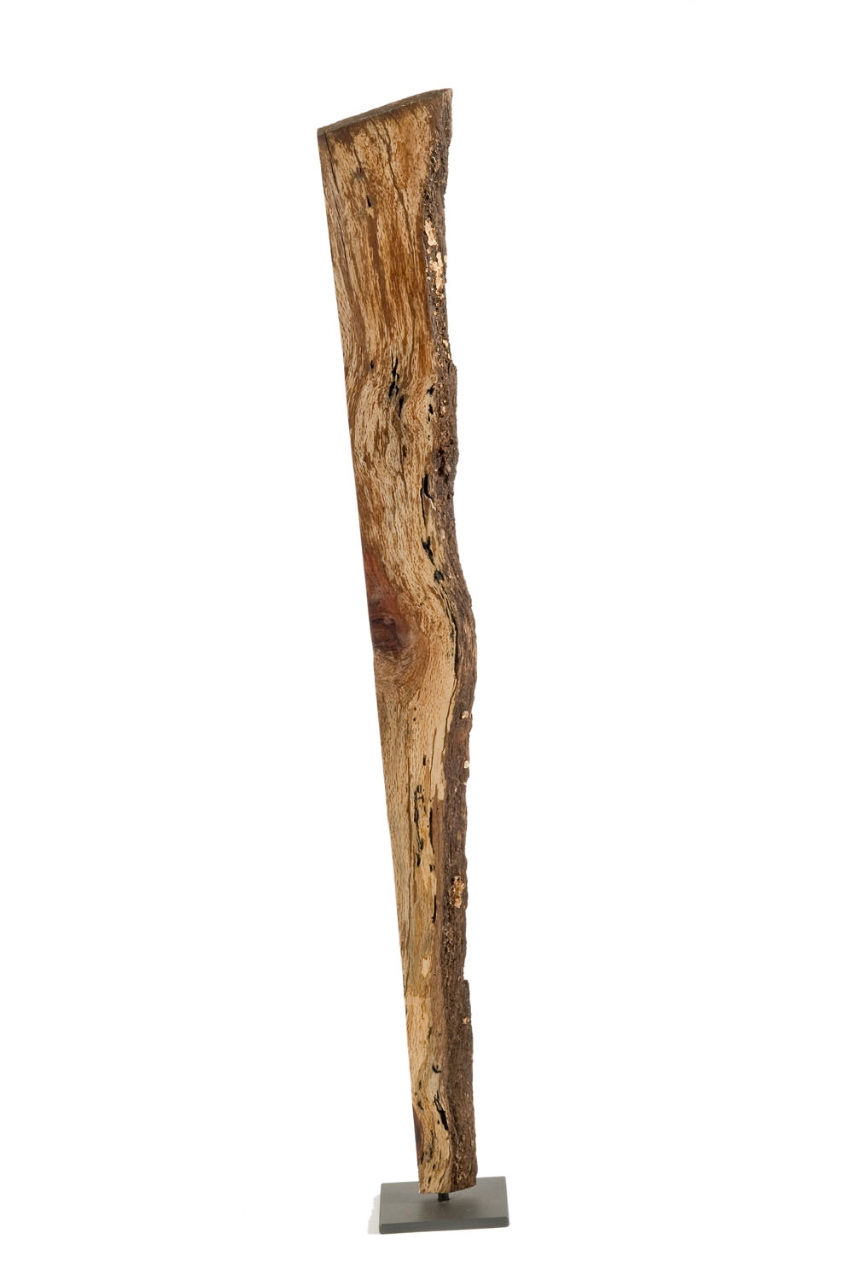
The new project that I have recently curated at Art Works Downtown, in San Rafael, CA, is Bob Nugent: Dialogues with Nature. The exhibition brings together work from four different series by the artist, Bob Nugent, that are being shown together for the first time. The nearly 30 pieces in the exhibition include large-scale paintings, flora drawings, works on wood veneer, and carved wood sculptures.

Nugent’s work makes reference to his many years of travel in Brazil, specifically along the Amazon River Basin. Over this period of time Nugent has developed a large and diverse body of work referencing the unique natural environment that can be found there. The work speaks of Nugent’s insightful explorations and interest in specific places and his ability to convey these impressions through his art in an evolving yet consistent manner. By suggesting imagery inspired by plant- and landforms, natural objects, insects, water and atmosphere, Nugent’s work reveals the essence, more than the actuality of a fully rendered landscape. Through an understanding of its unique properties both perceivable and intangible, and using images, memories, and materials sourced from specific locations, the works reflect an intuitive depth of knowledge and awareness of place.

Anavilhanas, 2013

Anavilhanas, 2013

In his paintings Nugent arranges extracts of landscape elements along with carefully rendered objects in an abstract matrix. Through a play of relationships and dichotomies of proportion—that is by making small elements large, and large elements small—an interchange takes place from realism to abstract and back again.

Flora Brasilinesis 121

Flora Brasilinesis 121

For the Flora Drawings Nugent took tattered and bug-worn pages from an old book of botanical drawings. After putting the paper through a cleaning and stabilizing process, he began using it for his own drawings with watercolor, gouache, conte, and ink. Eventually his drawings began to coincide and interact with the images and marks on the paper, creating a dialogue between himself, the original images, and the insect- and age-worn paper.

Minucia CXLVI, 2010

Minucia CXLVI, 2010

In the works on veneer, Nugent employs various wood veneers as a background for carefully rendered drawings of natural objects using watercolor, gouache, conté and pencil. In this way his drawings interact with the colors and wood-grain patterns of the veneer, creating their own conversation.

Standard 25, 2009

Standard 25, 2009

The Standards; which were crafted in California from local lumber, present an exchange between the tree, the miller, the insects, and the artist. Made of oak and other spalted woods (marks and discoloration caused by fungi, etc.), Nugent had one edge milled, the other left natural, and then responded to the markings left by boring insects by emphasizing them and continuing the dialogue with his own markings.

Nugent is a Professor Emeritus from Sonoma State University, and is a recipient of a Fulbright Foundation Grant, a National Endowment for the Arts Fellowship, and numerous other awards, fellowships, and grants. His work is held in major museums and collections throughout the world.

A reception for the artist will take place on Friday, November 8,  2013, from 5 to 8 p.m. The exhibition continues through November 22. For more information check their website, artworksdowntown.org.

Installation view 1

Installation view 1

Installation view 2

Installation view 2

Posted in Art Reviews | Tagged , , | Leave a comment

Brooke Holve: Cuttings @ RiskPress Gallery

The new exhibition opening at RiskPress Gallery in Sebastopol is called Cuttings. This solo exhibition includes drawings, mixed-media constructions, and artist books by Brooke Holve. While considering the changing role of books in our ever-increasing digital reading delivery systems, Brooke uses discarded book remnants as the predominant material of her work. Her process involves cutting, as well as the choices and synchronicities that occur while her constructions take form. Brooke has recently been exploring the limits, and pushing the boundaries of letterpress printing, these “gatherings of information” will also appear in the exhibition. Beyond the materiality of books, paper, and print, Brooke combines and employs whatever materials or media are needed as she investigates the connections and interactions of culture, memory, landscape and natural phenomena through her work.

I had the opportunity to talk with Brooke in her studio about her work and inspirations for this exhibition. To hear the 10-minute interview with Brooke, click here:  

The exhibition will open with a reception for the artist on Saturday October 5th from 5 to 8 p.m. and continue through October 27. Brooke will present a Gallery Talk on Saturday, October 19, from 4 to 6 p.m. You can also join Brooke for exploration walks from 1 to 3 p.m. on Sundays during the exhibition.

RiskPress Gallery is located on Healdsburg Avenue in Sebastopol. The gallery will be open Wednesdays, Fridays, Saturdays, and Sundays from 11 a.m. to 6 p.m., and by appointment. For more information about the exhibition check their website riskpress.com. For more information about the artist go to brookeholve.com.

Cover Cuts 8, 2012

Cover Cuts 8, 2012

Book Blinks 2, 2011
Book Blinks 2, 2011
Posted in Best Bets, Uncategorized | Tagged , , , , | 6 Comments

Richard Diebenkorn: The Berkeley Years @ de Young Museum and a Look at the influence of Matisse

Much well-deserved attention has been paid in recent months to Richard Diebenkorn: The Berkeley Years at the de Young Museum in San Francisco, which is closing Sunday September 29. Many very good reviews have been written about the exhibition, so I just want to mention some personal revelations and insights. But first, here’s a little contextual background. The exhibition, called The Berkeley Years, focuses on the period between 1953 and 1966, when Richard Diebenkorn lived and worked in Berkeley. The work and career of this pivotal artist needs to be noted for a number of reasons; including major contributions to American art during the mid-twentieth century—Diebenkorn began showing his work in New York galleries in the late 1950s. But, perhaps more importantly, was the recognition he brought to, and influences he had, on the San Francisco Bay Area art history. Diebenkorn was born in Portland, Oregon in 1922, but was raised in San Francisco. His career as an artist and teacher allowed him to live in various parts of the country, as well as Berkeley and Santa Monica. Then, in 1988, he and his wife moved to Healdsburg, California, where he lived and continued making art until his death in 1993.

Diebenkorn played a prominent role in the development of the Bay Area Figurative movement, which evolved in the greater San Francisco area during the early 1950s. He, along with other early proponents, such as David Park and Elmer Bischoff, began incorporating representational and figurative subject matter into their paintings at a time when the predominant style in the United States was Abstract Expressionism. As a teacher in major Bay Area art schools, he also influenced the work of such important artists as Joan Brown and Manuel Neri. Eventually the Bay Area Figurative movement developed into one of the first distinctive styles to arise in Northern California and become nationally recognized in the wider art world.

While Diebenkorn’s early work reflected the influence of popular abstract trends, his later work evolved and changed through his many explorations, eventually returning to abstraction. In this exhibition of the Berkeley Years, the series demonstrates the sequential process of his work during this period and discloses the bridges, transitions, and flow between abstract and representational subject matter. For Diebenkorn the emotional explosions of Abstract Expressionism’s gesture paintings take on a more subtle psychological nuance. His figurative imagery is detached, impersonal, and still firmly integrated in an abstract framework.
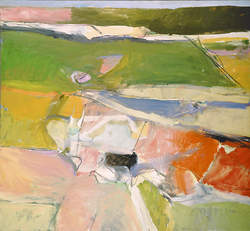
Berkeley #44, 1955, R. Diebenkorn.

Berkeley #44, 1955, R. Diebenkorn.

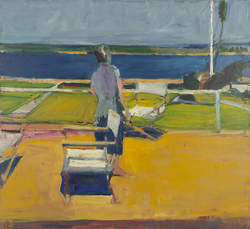
For example, when you view his abstract painting Berkeley #44, from 1955, compared with Figure on a Porch, from 1959, you can see how the green and gold patchwork of color areas in the former painting evolved to incorporate a figure on a porch viewing a landscape. Yet the figure, the furniture and the landscape all have the same relevance as geometric components to the composition as a whole.

Figure on a Porch, 1959, R. Diebenkorn.

Figure on a Porch, 1959, R. Diebenkorn.

Man & Woman in a Large Room, 1957, R. Diebenkorn.

Man & Woman in a Large Room, 1957, R. Diebenkorn.

However, it seems that when Diebenkorn incorporates two figures, hints of psychological engagement begin to appear, such as can be noted in Man and Woman in Large Room, 1957, where even without facial features, a dialogue ensues between the two figures. Looking at this body of work with a contemporaneous and forward point of view provides one dimension to Diebenkorn’s work.


The Influence of Mattise
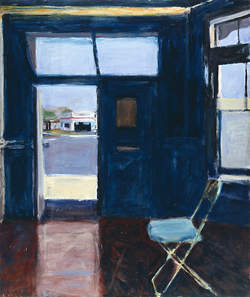
Another dimension unfolds by looking at the work of earlier artists who made a strong imprint on Diebenkorn; artists that were significant to his own development, not only during the period of the Berkeley years, but as a continuum—before and after as well. One of the strongest influences was that of Matisse, whose work Diebenkorn admired, and had access to while a student at Stanford University as well as at other points in his life. One striking comparison can be made by looking at Diebenkorn’s Interior with Doorway, from 1962, and Matisse’s Porte-Fenetre a Collioure, 1914. In Interior with Doorway, the overall composition of an interior scene has a clear abstract structure, there are no human figures, however an empty folding chair and open door imply human occupation and interaction. In Porte-Fenetre a Collioure, which was noticeably sparse and abstract for its time, the door stands ajar in a very flat space, but with even less human inference. Both paintings make use of muted ‘denim-blue’ color areas compressed by substantial vertical forms. And in both, the bones of the underlying geometry are exposed. The consideration of spacial movement between inside and outside is important to both artists, but while Diebenkorn’s doorway invites an outwardly telescoping view, Matisse’s portal peers into a shadowy interior space.
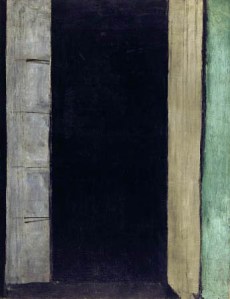
Porte Fenetre a Collioure, 1914, H. Matisse.
Porte Fenetre a Collioure, 1914, H. Matisse.

Interior with Doorway, 1962, R. Diebenkorn.

Interior with Doorway, 1962, R. Diebenkorn.


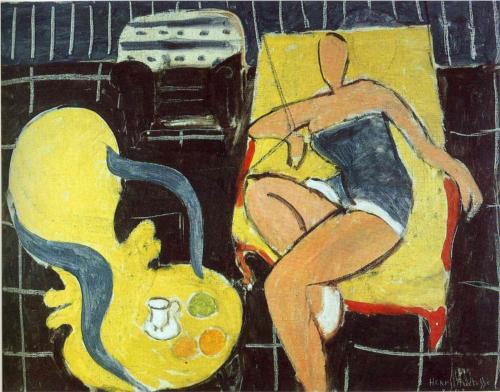
Other interesting similarities can be seen in the Matisse’s Dancer and Rocaille Armchair on a Black Background, 1942, when compared to Diebenkorn’s Figure on a Porch, 1959. In each a single abstracted figure, on a tilted flat space, is held within grids, lines and rectangles. The painting process of erasures and corrections is revealed just below the surface in both works.
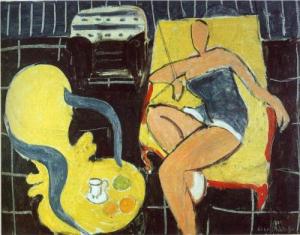
Dancer & Rocaille Armchair on Black Background, 1942, H. Matisse.

Dancer & Rocaille Armchair on Black Background, 1942, H. Matisse.

Figure on a Porch, 1959, R. Diebenkorn.
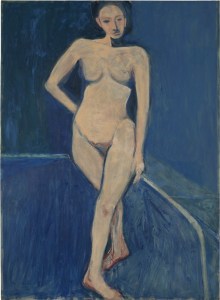
Figure on a Porch, 1959, R. Diebenkorn.


Nude on a Blue Ground, 1966, R. Diebenkorn.

Nude on a Blue Ground, 1966, R. Diebenkorn.

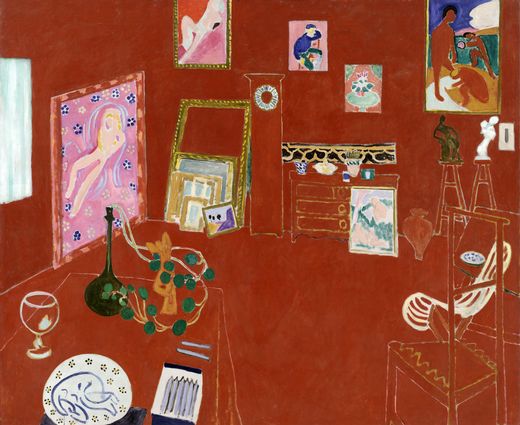
The one painting that stopped me in my tracks was Nude on Blue Ground, 1966. On first impression it’s so different from the other paintings in the series, yet familiar and so thoroughly Diebenkorn. A large female nude figure, standing in a dancer-esque pose, fills the canvas on a dark flat background. The many figure drawings in the exhibition affirm Diebenkorn’s familiarity and confidence in working with the figure. The signature brushwork, flatness of forms, and use of a simple inscribed line to suggest an interior space are very much Diebenkorn. The painting reflects back to Matisse, both in his dancer figures, but also in the use of sparsely inscribed lines to delineate forms and space. If you look at Matisse’s The Red Studio, 1911, though the red color dominates, the walls and objects are also inscribed with spare linear suggestions.
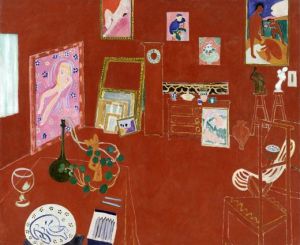
The Red Studio, 1911, H. Matisse.

The Red Studio, 1911, H. Matisse.

Diebenkorn absorbed, internalized, and synthesized the work of other artists, but in the end made this ingestion distinctly his own. The signature Diebenkorn space, color, and angles are present in some form throughout most of his career.

The more than 120 paintings, collages, and drawings in the exhibition include abstract imagery along with landscapes, figures, interiors, and still lifes. Richard Diebenkorn: The Berkeley Years continues at the de Young Museum through September 29. For more information about the exhibition and related programs check their website, famsf.org.

Berkeley #44, 1955, Richard Diebenkorn. image from famsf.org
Figure on a Porch, 1959, Richard Diebenkorn. image from famsf.org
Man & Woman in Large Room, 1957, Richard Diebenkorn. image from wikipaintings.org
Interior with Doorway, 1962, Richard Diebenkorn. image from famsf.org
Porte Fenetre a Collioure, 1914, Henri Matisse. image from henri-matisse.net
Dancer & Rocaille Armchair on a Black Background, 1942, Henri Matisse. image from wikipaintings.org
The Red Studio, 1911, Henri Matisse. image from moma.org
Posted in Art Reviews | Tagged , , , | 4 Comments

Claude Smith — Words Fall Away

Human language and its many forms of expression, i.e. spoken, unspoken, and written, are wrought with layers of complexities. In the current exhibition at Risk Press Gallery, in Sebastopol, the work of Claude Smith poses philosophical questions about language. Called Words Fall Away, this retrospective exhibition features paintings, prints, and drawings by Smith created over the last fifteen years. Through his art Smith processes abstract concepts about verbal communication in visual mark-making terms. His style possesses a sophisticated depth that reflects his life-long involvement with art.

Smith was born in New York City, and grew up in a family of artists. His formal training began at the age of 13 when he took classes at the Art Students League in New York, as well as the School of Visual Arts, and Pratt Institute, where he earned his BFA. Smith moved to Northern California in the early 1980s where he still maintains his residence and studio. Smith has shown his work throughout the country and Europe, and has recently been an artist-in-residence at KALA Art Institute in Berkeley.

The body of work in this exhibition began in the 1990s as a result of Smith’s experimentations with the practice of silence. He spent days at a time not speaking, while carrying on with his regular daily life—to see what would happen, and how this might influence his art and perspective on life. I recently had the opportunity to talk with Claude in his Graton studio about art and life. (Click this link Claude Smith to hear the interview).

so many words . . . so little meaning

so many words . . . so little meaning

The work that followed investigated further the observations, concepts, and questions that arose during his practice of silence. What do words really mean, do they help or hinder our communication, do we listen better if we are not talking, what happens when you go beyond the word? In a piece titled so many words…so little meaning, a 40” by 60” acrylic and graphite painting, handwritten words are entangled with the layers of pink, cream, and green brushstrokes. The many words merge with the painterly abstract background, and seemingly lose their meaning while becoming curvilinear elements of composition; and are consequently repurposed.

The meaning of words through their repetition is another theme explored by Smith. When you repeat a word or a phrase over and over, what happens? A suggested “answer” appears in a painting called I Love You. On the large canvas covered with chalkboard-black paint, Smith wrote the phrase “I Love You, I Love You So Much”, with white “chalk”, repetitively until the words became a blur, flowing with a rhythm like a cascading waterfall. Do the words have more or less meaning when repeated into oblivion? Everyone has to decide for themselves.

A Thousand Cuts

A Thousand Cuts

Smith also delves into mark-making by other humans. A series called A Thousand Cuts, evolved from photographs he took of cuts made on trees in Los Angeles. Some of the markings date back to the 1950s and reflect the basic need of humans to communicate by making their mark—“Joe was here”, “Bob loves Sue”, and the like. Smith printed details from the many photographs he collected on various sizes of paper. He then arranged the images in different groupings, each telling its own implied narrative through contemporary hieroglyphics.

Other events taking place during the exhibition include an evening of music with guitarist Richard Osborn on Saturday, July 27, at 7:30 p.m. The exhibition will be on view through July 28, 2013. RiskPress Gallery is located on Healdsburg Avenue in Sebastopol. For more information check their website riskpress.com.

Images from RiskPress website.


Posted in Art Reviews, Uncategorized | Tagged , , , | 3 Comments

Linda Connor; From Two Worlds @ di Rosa

The amazing thing about experiencing locations with deep or powerful histories is realizing that you are also there in the present living, breathing moment. While you contemplate the stories of the past you notice their influence is still very present, but the real-time ambiance can make its own impact on the experience. Linda Connor captures these time-layered moments in large-format photographs taken in historic locations in near and distant lands.

The current exhibition in the Gatehouse Gallery at di Rosa, in Napa, is titled From Two Worlds and consists of over 30 photographs by Bay Area photographer, Linda Conner. The exhibition is presented in two segments, each telling its own story. The first part is called Dark Forces and reflects Connor’s experiences while visiting and photographing monasteries in Tibet and Northern India. In her photographs the images of sacred deities and fierce guardian figures retain their force and mystery even through the ravages of time and desecration that occurred during the Cultural Revolution. Many of the black and white photographs, such as Banner, Hemis Monastery, Ladakh, India, 2003, are printed on silk and displayed in the manner of Tibetan thangka paintings, bringing together historic traditions and contemporary contexts. Connor often uses closely cropped images which omit distractions and provide a more intimate experience for the viewer. For example, in Library of Prayer Books, Ladakh, India, 2007, the neatly folded tomes are tucked into their ancient cubbies, yet appear ready for the next monk to peruse. For Conner, the work is a celebration of the unknown, where ancient ritual and imagery still evoke a visceral experience, transcending time as well as contemporary politics.

Banner, Hemis Monastery, Ladakh, India

Banner, Hemis Monastery, Ladakh, India

Library of Prayer Books, Ladakh, India.

Library of Prayer Books, Ladakh, India.

The second part of the exhibition is called The Olson House. The house, which is located in coastal Maine, was brought to notoriety by the artist, Andrew Wyeth, who painted there often for over thirty years. The Cincinnati Art Museum commissioned Conner to photograph the site in 2006 and included her images as part of an exhibition of Wyeth’s watercolors and drawings of the house and its owners. One of Wyeth’s most famous paintings from the 1940s is called Christina’s World, and portrays the physically challenged Christina Olson slowly making her way up a hill to the Olson house. Conner’s images of the setting, the house, and the interior spaces are devoid of human presence yet make reference to the people who lived and visited there. In East Side–After Walker Evans, she positions the house straight on and close-up, as for a portrait, highlighting the architectural details and symmetry that is wonderfully off-set by one darkened window. Having been strongly influence by Evans, this image pays homage to his many farm house photographs from the 1930s. While Connor puts emphases on the historic details, her photographs are enlivened through the way she captures passing light in the present moment, which animates the silent objects with a contemporary freshness. This is illustrated so well in Morning Light, where the morning sunlight dances across the framed window, bringing our attention to the collection of objects on the window sill and the peeling surface of the old wall.

The East Side -- After Walker Evans.

The East Side — After Walker Evans.

Morning Light.

Morning Light.

Though the two segments of the exhibition represent two very different Worlds, the similarity lies in the contrast of what happens when deep history is re-contextualized from the perspective of present time. Linda Connor is a professor at the San Francisco Art Institute and the recipient of a Guggenheim fellowship and three grants from the National Endowment for the Arts. The exhibition continues through June 30, 2013. For more information check their website, dirosaart.org.

Images from di Rosa and Haines Gallery websites.
Posted in Art Reviews | Tagged , , | 1 Comment

Richard Lang and Judith Selby Lang @ Gallery Route One

Currently showing at Gallery Route One, in Point Reyes Station is an exhibition of work by Richard Lang and Judith Selby Lang. The show, titled The True Cost of Plastic, is part of a larger, ongoing collaborative project by the artists. The Lang’s have been visiting a particular segment of Kehoe Beach in the Point Reyes National Sea Shore since 1999. During their beachcombing they gather plastic debris that has been washed up on the shore from the Pacific Ocean. The process has become an amazing journey for them. They approach their work like archeologists, noting that each “finding” has its own story to tell, as well as contributing to the bigger picture of human history and the “throw-away” culture.

The Lang’s carefully examine and sort the bits of plastic refuse they find, and then use it to create works of art. With minimum modification, the pieces are arranged into abstract or narrative compositions, which are then photographed and printed. The resulting colorful images can be deceptive in their beauty and matter-of-fact presentation. While being drawn into the design and assortment of objects, the deeper meanings begin to arise. Thoughts begin to surface; such as the Great Pacific Garbage Patch, or the various threats to marine life, and the fact that plastic never goes away. I am reminded of the article “Polymers Are Forever” published in Orion Magazine. The article talks about how plastic doesn’t bio-degrade, but breaks down into tiny nurdles that are getting into our food chain.

The first exhibition from this project, titled One Year, One Beach, was exhibited at Gallery Route One in 2001. After that things really took off for the Langs. With over 50 exhibitions to date, their work has been shown in cities throughout the United States and Europe. They currently have work on view at the Marine Mammal Center, in Sausalito. In June 2013 they will install a permanent display in the Natural Sciences department of the Oakland Museum of California.

Thirteen years after that first show, stuff keeps washing up, and the Lang’s are still energized by the task of picking up trash. The current exhibition, The True Cost of Plastic, takes on a more somber tone about complex issues. Over the years they have amassed a collection of plastic toy soldiers. Looking at these, the artists said that, “Wracked by a long life at sea, some of the faces are gnarled, [and] abraded by the sand. When we looked into the tiny faces we were amazed by their expressions. Each soldier is a poignant reminder of the ravages of war and the extremes to which nations will go to preserve dominion over the petrochemical world.” The exhibition includes large-scale photographs of toy soldiers, a re-enactment of a battle scene, and some rare and amazing pieces of plastic they have collected.

Also showing at G R O are paintings by Dorothy Nissen, and photography by Eric Engstrom. The exhibitions continue through April 28, Gallery Route One is located on Highway One, in Point Reyes Station. For more information check their website, galleryrouteone.org. To learn more about the Lang’s, go to their website, beachplastic.com.

"Ten Hut"

“Ten Hut”

Sand Table

“Sand Table”


Images from galleryrouteone.org
Posted in Art Reviews | Tagged , , | 4 Comments

Hung Liu: Offerings @ Mills College Art Museum

A taste of the Bay Area’s East-West cultural fusion can be seen at Mills College Art Museum in Oakland, where the current exhibition, Hung Liu: Offerings, is on view. The exhibition consists of two large-scale mixed media installations along with related paintings and prints. Oakland based artist, Hung Liu, reflects on her personal journey of leaving one changing culture to merge with another. Through her own stories she tells a deeper history of complex and melding cultures. Using edible commodities for continuity, the work examines themes of immigration, memory, history, and cultural identity.

Hung Liu was born in Changchun, China, in 1948. Trained in Beijing as a socialist realist and mural painter, she came to the United States in 1984 to attend the University of California, San Diego. After receiving her MFA, she moved to Northern California and began teaching in the Art Department at Mills College in 1990. She continues to live and work in the Bay Area and exhibits her work locally as well as internationally. Hung Liu is primarily known for her paintings that speak of cultural migrations and are often inspired by historical Chinese photographs. This is a rare opportunity to see two of her large installations that combine currently completed work with new iterations of earlier projects.

Jiu Jin Shan, 1994, detail.

Jiu Jin Shan, 1994, detail.

Jiu Jin Shan (Old Gold Mountain), 1994, uses rich visual metaphors to communicate the history of Chinese people in California. Originally exhibited in 1990s at the de Young museum, the piece retains a contemporary potency, perhaps even more so now. In the well-proportioned piece, hefty segments of railroad tracks form a cross on the floor; implying the crossroads or intersection of cultures. Historically the track builders in California were primarily Chinese immigrants. The laborers called San Francisco “Old Gold Mountain”, as a place of wealth and hope in the new world. Instead of gold nuggets the tracks are heaped with golden fortune cookies, over 200,000 of them. The center is piled high with cookies and the resulting pyramid shape evokes traditional Manchurian Chinese burial mounds. The fact that the fortune cookie is said to have been invented in San Francisco by a Japanese entrepreneur further reflects on the East-West mingling of cultural ideas, styles, and cuisine. The appropriate pairing of materials—heavy metal tracks with fragile cookies—both symbols of hope and irony in their own way, convey the complex content and inspire curiosity to know more of the deeper layers of the story.

The installation is accompanied by number of correlated paintings on the surrounding walls. Hao Yun (Good Luck) is a series of 21 square panels completed in 2012. At a distance what looks like large delicate pink and white blossoms painted on gold leaf, turns out to be fortune cookies—the Westernized symbol of Chinese good luck.

Tai Cang -- Great Granary, 2008, detail

Tai Cang — Great Granary, 2008, detail

In the next room, the concept of food staples as cultural context is continued with Tai Cang—Great Granary, 2008. The installation, shown for the first time in the U.S., is comprised of two major parts. Arranged on the gallery floor are 34 antique dou, which are a traditional Chinese food containers as well as units of measure. The presentation roughly replicates a map of China with its 34 provinces or regions. Each dou is filled with food staples, such as grains, beans, or mushrooms from different regions of China. The staples were not only traded between regions of the country, but also far beyond its borders, helping to build the country’s economy. The other component, a huge 40-foot painting called, Music of the Great Earth II, 2008, is a reconstruction of a mural painted by Liu as student in China that had been destroyed. In the recreation, Liu took elements from the old painting, which were saved in photographs, and overlaid them with contemporary motifs. The units work together to describe how aspects of personal and ancient histories can change, merge, and endure through distance and the passage of time.

The show at Mills College closes on March 17. A special dance performance is scheduled during the closing weekend. The performance, Haunting, is a new piece created by choreographer, Molissa Fenly, in response to Hung Liu‘s artwork. For more information check their website, www.mcam.mills.edu.

If you miss the Mills College show, there will be other opportunities to see her work in the Bay Area. Summoning Ghosts: The Art of Hung Liu opens at the Oakland Museum of California on March 16, and continues through June 30, 2013. The retrospective features approximately 80 paintings, as well as personal ephemera such as photographs, and sketch books. It also includes work completed in China before she arrived in the U.S. For more information check their website, www.museumca.org.

 Images from Mills College Art Museum website.
Posted in Art Reviews | Tagged , , , , | 2 Comments